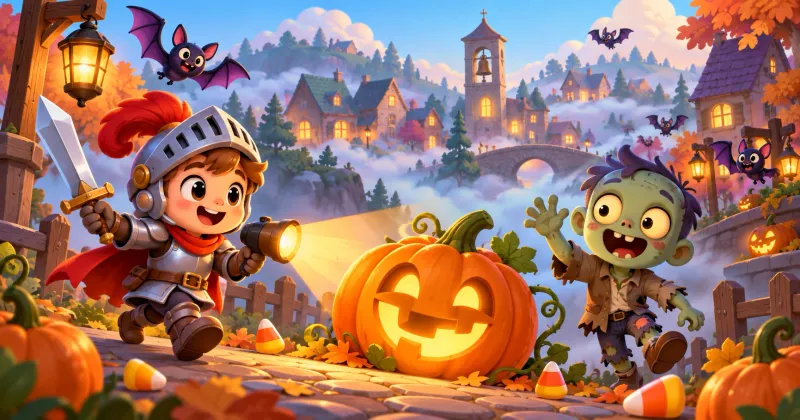
Arcade Whale


Arcade Whale OriginalMade in-house, free to play
Bladestep
- Developer
- Arcade Whale
- Genre
- Platformer
- Released
- Updated
- Platforms
- Browser (desktop, mobile, tablet)
- Orientation
- Landscape
- Players
- Single player
How to play
Desktop A/D or ←/→ run · Space jump · J throw / recall (on blade: climb) · K lob · click aim · P pause
Touch Sticks run/aim, sword/jump buttons
About Bladestep
Bladestep is a free browser dungeon platformer built around one idea: your only sword is also your only ladder. Throw it and it flies straight until it hits a wall, then sticks there, humming. Now it is a step - jump onto the blade and stand on it to reach the ledge you could not reach before. Call it back and it flies home to your hand, cutting through every goblin, bat and arrow on its way. There is nothing to install and no account.
That one sword turns every room into a small decision. While it is stuck in a wall your hands are empty, so a goblin walking up to you is a problem until you call the blade back - but calling it back after stepping off also takes away your route upward. Standing on it, press again to climb one step higher instead. The best moments in the game come from using both halves at once: throw the sword above a pit, jump onto it, then recall it through the archer standing behind you as you drop to the far side. Stomping on enemies works too, and the first rooms teach the throw, the stand and the recall with a short two-step prompt before getting out of your way.
The dungeon is built as floors of three rooms, and new things arrive in a set order as you play rather than in bigger numbers. The first six rooms form a fixed opening: a safe wall step, a single returning slice, a quiet chimney, a double-slice gallery, a room with an optional high chest, then the Stone Warden. New rooms arrive when you complete the previous one, with retries staying in the same room. After that, archers join the room pools, and a thrown sword knocks their arrows out of the air. In vertical shafts: stand on your lodged sword and press throw again, and the knight hops up while the blade comes back and sticks in the wall a step higher - a chain of your own steps, one press each. Spike floors and cracked bridges that fall once you step on them, shield knights that block a throw from the front but not a recall through their backs, lava halls where hot rock melts your sword out of the wall after three seconds, mimic chests, dark vaults lit only by your knight and your blade, and wizards that yank your sword out of the wall and throw it somewhere else.
Three bosses guard the way down. The Stone Warden charges across the room, so step up onto one of the low ledges, let it thunder underneath and stun itself on the wall - that is the moment to put your sword in its mossy back and rip it out again. The Bat Queen cannot be hit in the air and marks her dive with a red target, but she likes to land on a lodged sword, and recalling it drops her to the floor. The Iron King turns slowly behind his shield, then charges, then calls goblins in a fury, mixing everything the earlier floors taught. After him the depths keep going, with the old bosses returning every few floors.
At the end of every floor you pick one of three cards with the gold you found: Iron Heart adds a heart, Long Throw sends the sword farther, Quick Recall brings it back faster, Keen Edge makes a recall hit harder, Gold Magnet pulls coins from a distance, Deep Pockets raises the value of every coin and Last Stand shrugs off one final blow per floor. Falling into spikes or lava costs a heart and puts you back at the last safe spot; losing the last heart restarts the room. Nothing is ever bought with real money, and your floor, gold and cards are stored on your own device.
On a desktop you run with A/D or the arrow keys, jump with Space, throw or recall with J and lob the sword upward with K; the mouse aims a throw wherever you click. On a phone, the stick at the bottom left runs, the stick at the bottom right aims (a dotted line from your hand shows where the sword will go), the sword button throws, recalls or climbs, and the jump button sits in the corner; tapping the screen also throws toward that spot. P pauses. Here the sword shapes your route as much as it fights your enemies.
Frequently asked questions
How do I play Bladestep?
Run and jump through each room and reach the door, which opens once every enemy is gone. Throw your sword with J, a click or the sword button on a phone: it sticks in the first wall it hits and becomes a step you can stand on. Off the blade, press the same button again to call it back - it cuts through everything between the wall and your hand. On the blade, press again to climb. The six opening rooms teach these moves before your first boss.
What happens when I press throw while standing on my sword?
You climb: the knight hops up, the sword comes back and sticks in the wall one step higher, ready to stand on. Press again on each new step to climb a whole shaft. To drop the sword on an enemy instead, step or jump off first and call it back in mid-air - it slices the enemy below you on its way home.
How do I beat the bosses?
The Stone Warden is hurt only while it is dazed after charging into a wall - wait on a low ledge so the charge passes under you, then lodge your sword in its back and recall it. The Bat Queen cannot be hit while flying, so dodge the red target, leave your sword in a wall, wait for her to land on it and call it back. The Iron King blocks throws with his shield but turns slowly, so jump past him and strike his back; after that he charges like the Warden and finally calls goblins. If a boss beats you, the next attempt gives you a little more time.
What are the cards after each floor?
Every floor ends with three upgrade cards and your gold buys one. Iron Heart adds a heart, Long Throw and Quick Recall change how far and how fast the sword travels, Keen Edge makes recalls hit harder, Gold Magnet and Deep Pockets bring in more gold, and Last Stand saves you from one final blow per floor. Cards are kept between runs.
What happens when I die?
Spikes and lava cost one heart and put you back at the last safe spot in the room. Losing your last heart restarts the room and the gold you found in it is lost.
Do I need to download anything or pay?
No. Bladestep runs directly in the browser on phones and desktops - no download, no plugin, no account. It is free, and nothing is ever bought with real money. Your progress stays on your own device.
Is Bladestep like Apple Knight?
Yes, in that it is a platformer where a knight jumps and fights through dungeon rooms full of goblins, archers and bosses. It is our own game, not the official Apple Knight. Bladestep is built around one sword you throw into walls: it sticks and becomes a step you can stand on, and calling it back cuts through every enemy on its way to your hand. Each floor ends with a choice of upgrade cards, and the game is free in your browser with no plugin or account.