Arcade Whale


Arcade Whale OriginalMade in-house, free to play
Shift Out
- Developer
- Arcade Whale
- Genre
- Puzzle
- Released
- Updated
- Platforms
- Browser (desktop, mobile, tablet)
- Orientation
- Landscape
- Players
- Single player
How to play
Desktop Arrow keys or swipe with mouse to slide the whole board.
Touch Swipe up/down/left/right. Matching tiles eject through gates; chain them for combos.
About Shift Out
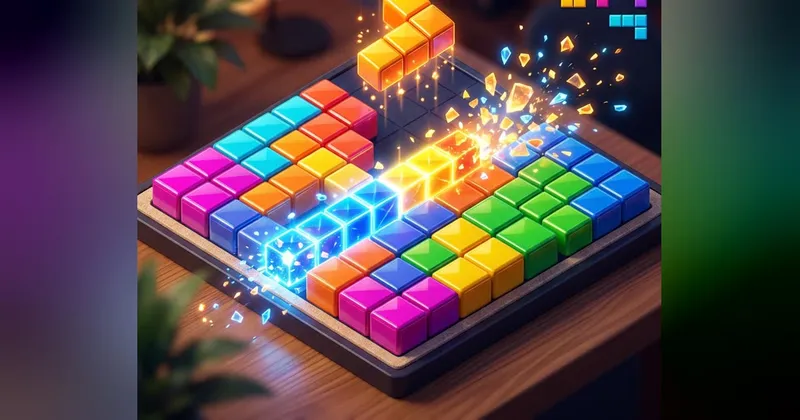
Shift Out borrows the sliding motion of 2048 and points it at a different problem. Swiping moves the entire board in one direction, but instead of merging into bigger numbers, matching tiles eject through coloured gates at the edges.
Because the swipe is global, you never move a single tile — you move all of them. A swipe that lines up the two tiles you wanted also rearranges everything else, and the tile you had carefully positioned three moves ago goes wherever the swipe takes it. Thinking in terms of the whole board rather than individual pieces is the adjustment most players have to make.
Gates are colour-specific, so a tile can only leave through a gate that matches it. That turns each swipe into a routing question: the swipe that clears one colour may push another away from its only exit. On tight levels the order of swipes matters far more than the number of matches you can see.
Chaining is where the move limit becomes survivable. Setting up a single swipe that ejects several tiles at once, rather than clearing them one at a time, is what fits a level into its budget. Those chains rarely happen by accident — they come from arranging the board over two or three swipes before committing.
Arrow keys or a mouse swipe on desktop, and swipes in any direction on mobile. Every level has a move limit and every tile must be cleared. Runs in the browser with nothing to install. 2048 is the obvious neighbour if you prefer merging to routing.
Levels never run out. They come in bands that run from a short tutorial up to insane and nightmare, and after the nightmare boards the game keeps dealing remixed hard boards: a late board mirrored or turned, recoloured and given one extra grey block, never the same board twice in a row. The first boards are 3 by 3 with three tiles; the last are 6 by 6 with fifteen or sixteen. About halfway through, fixed grey blocks appear. They never move and they split a row or column in two, so tiles pile up against them and only the tiles on the gate side can leave. Several tiles of one colour packed against their gate leave in the same swipe, and clearing two or more at once shows a combo.
Hearts measure how close you came to the shortest solution: clearing within one move of the best possible earns three hearts, two moves over earns two, and anything slower earns one. The move limit is separate. A swipe that moves nothing costs nothing. Run out of moves and the level fails, and you can retry. Each level gives two free undos and one free hint. The hint finds the quickest finish from your current board, shows the arrow and plays that swipe. Restart is always free.
Frequently asked questions
How is this different from 2048?
The sliding is the same — a swipe moves the whole board — but tiles do not merge into larger numbers. Matching tiles instead eject through coloured gates at the edges, so the game is about routing tiles to the correct exit rather than building up values.
How do gates work?
Each gate only accepts tiles of its own colour. A tile has to reach a matching gate to leave the board, so the direction you swipe determines which colours make progress toward their exits and which get pushed away.
How do I beat levels with a tight move limit?
Set up chains. Arranging the board over a couple of swipes so that a single swipe ejects several tiles at once covers far more ground than clearing one tile per move, and it is what makes tight budgets achievable.
What are the controls?
On desktop use the arrow keys or swipe with the mouse. On mobile, swipe up, down, left or right. Each swipe slides the entire board in that direction.
Does Shift Out run out of levels?
No. Levels are grouped into bands from tutorial to nightmare, each one opens when you clear the one before it, and after the hardest hand-made boards the game keeps dealing remixed hard boards with one extra grey block. Boards grow from 3 by 3 to 6 by 6, fixed grey blocks start appearing about halfway through, and your progress and hearts are saved in the browser.
What happens when I run out of moves?
The level fails. You can try again from the start with the full move limit. A swipe that moves nothing never costs a move.
Is there an undo or a hint in Shift Out?
Yes. Each level gives you two free undos and one free hint. The hint looks at your current board, finds the quickest way to finish within the moves you have left and plays that swipe for you. While it is still searching the button says Hint…, and if no finish fits in your remaining moves it says No hint.